The three numbers that decide breaker size
Every breaker is designed for a window of carrier weight, oil flow and pressure. Before comparing brands or prices, write down three numbers from your excavator’s specification sheet or service manual:
- Operating weight (t) – including the bucket and counterweight you actually use.
- Auxiliary (attachment) circuit flow (L/min) – not the main pump total.
- Auxiliary relief pressure (bar) – the pressure the attachment line is protected at.
A breaker that is too heavy for the carrier puts the machine off balance and overloads the arm. A breaker that is too small is driven too hard: blow energy is low, the chisel bounces and internal parts wear quickly.
Quick sizing table
| Carrier (t) | Typical model | Chisel Ø | Oil flow (L/min) | Pressure (bar) |
|---|---|---|---|---|
| 0.6–1 | SB05 | 35 mm | 10–30 | 80–110 |
| 0.8–2.5 | SB10 | 40 mm | 20–40 | 90–120 |
| 2.5–4.5 | SB30 | 53 mm | 25–50 | 90–120 |
| 3–7 | SB40 | 68 mm | 36–60 | 110–140 |
| 6–9 | SB43 | 75 mm | 50–90 | 120–170 |
| 10–15 | SB50 | 100 mm | 80–110 | 150–170 |
| 18–25 | SB70 / 20G | 135 mm | 130–170 | 160–185 |
| 20–30 | SB81 | 140 mm | 150–190 | 165–185 |
| 27–36 | SB121 | 155 mm | 150–230 | 170–200 |
| 40–50 | 50G | 180 mm | 270–290 | 180–200 |
Values are typical; always confirm the final model against your machine’s hydraulic data.
Why flow and pressure matter more than tonnage
Two 20 t excavators can have very different auxiliary circuits. If the circuit delivers more flow than the breaker accepts, excess oil heats up and the breaker runs too fast. If it delivers less, the piston never reaches full stroke. Set the auxiliary flow to the middle of the breaker’s window and the relief valve 20–30 bar above the breaker’s working pressure.
Side, top or box type?
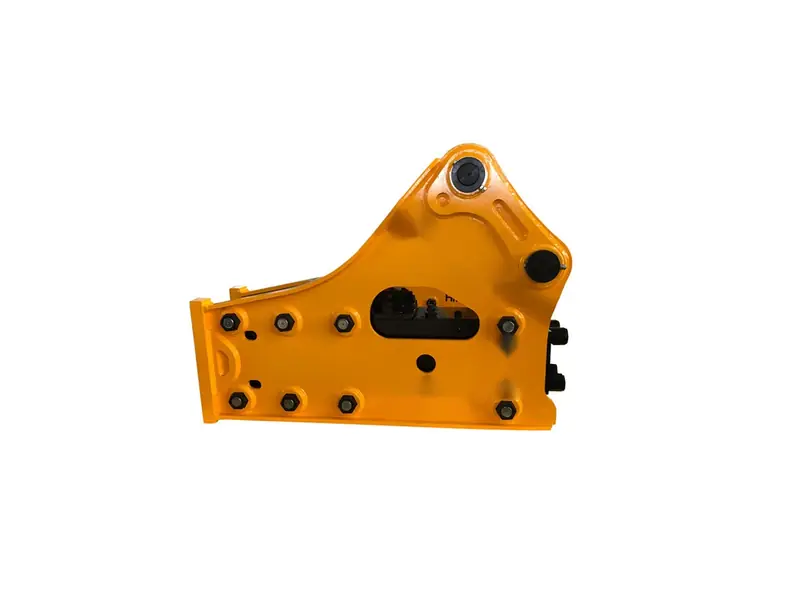
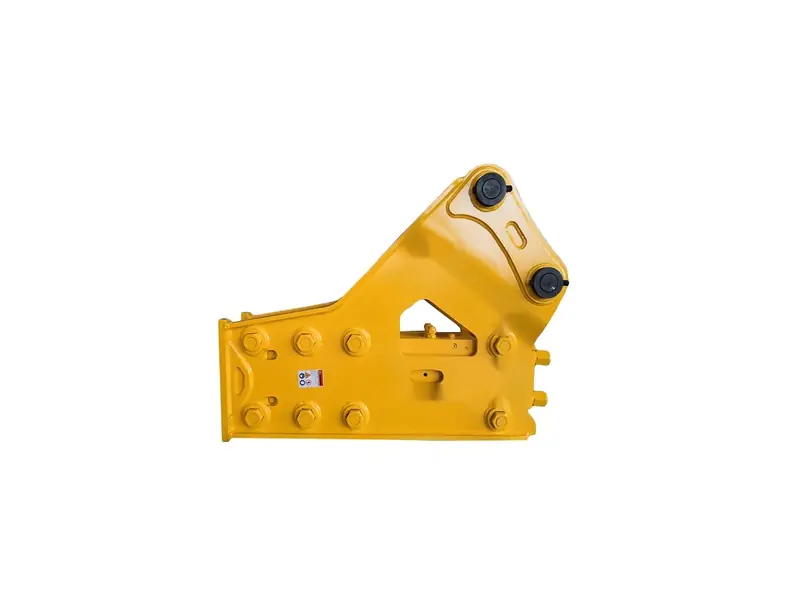
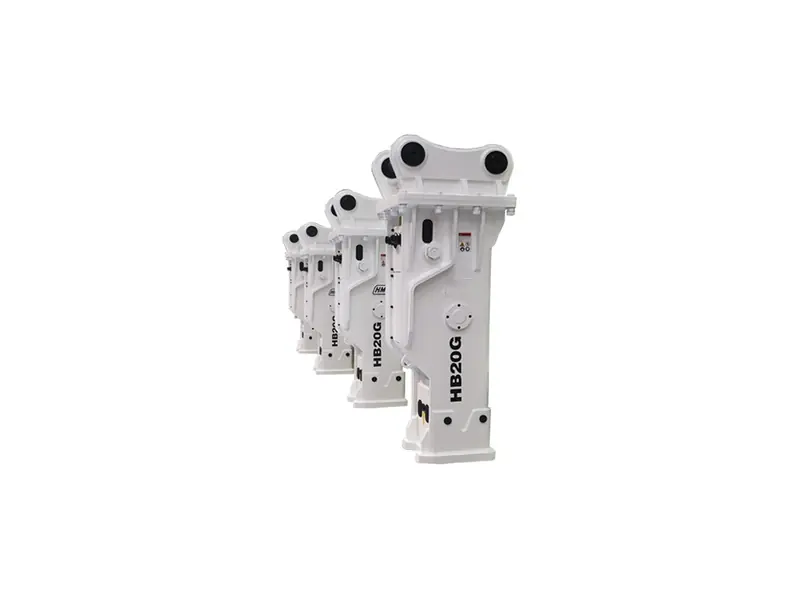
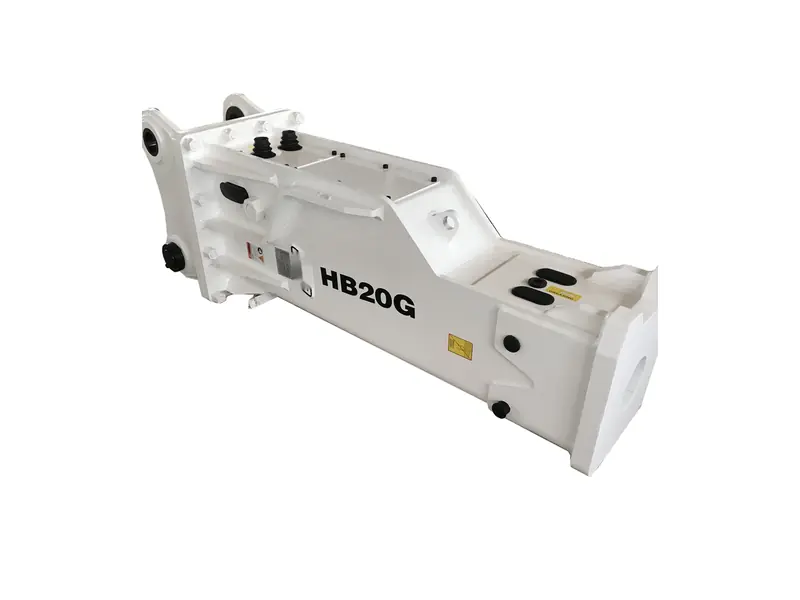
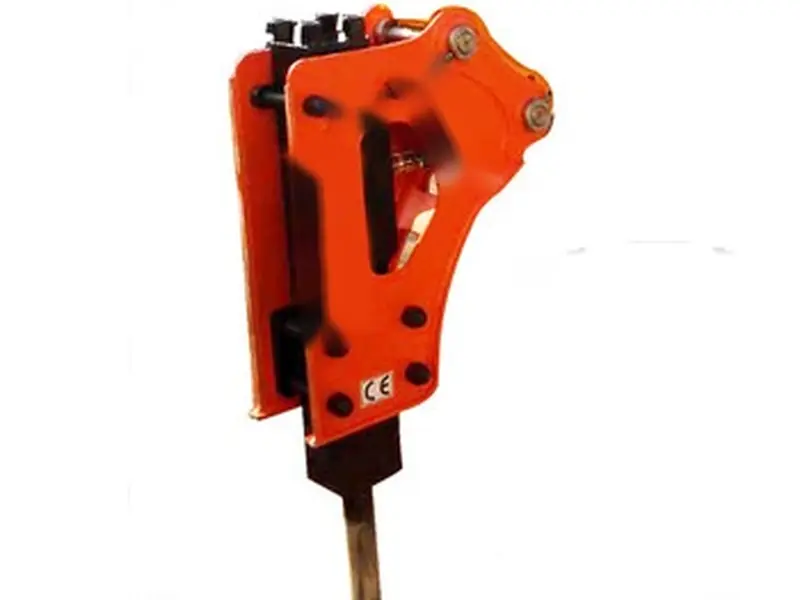
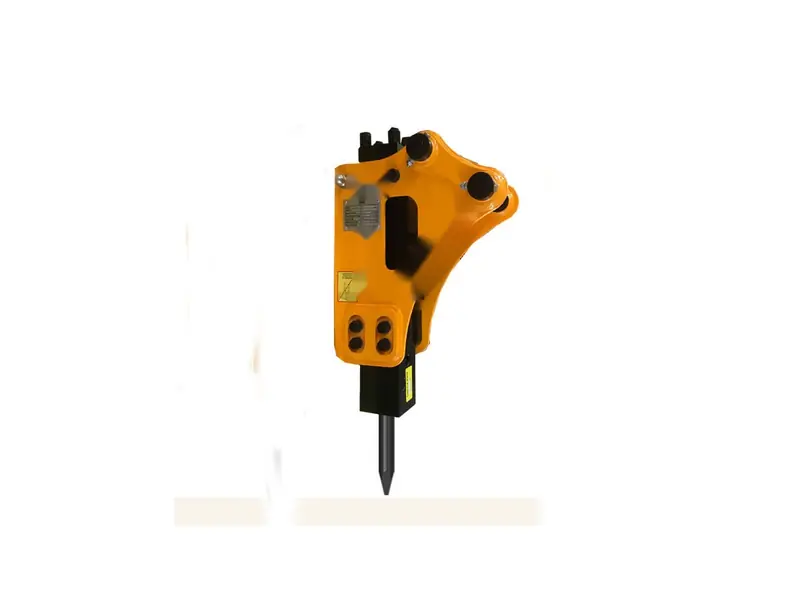
Side type is compact and economical. Top type transfers force in line with the arm for vertical breaking. Box (silenced) type is quieter and protects the power cell – the usual choice for urban work. The power cell inside can be the same; the housing and bracket change. See our hydraulic breaker range for each type.
Match the chisel to the material
- Moil point – general purpose, trenching, concrete.
- Chisel (flat) – layered rock, asphalt cutting, trenches.
- Blunt – hard, brittle rock such as granite; secondary breaking of boulders.
Checklist before you order
- Excavator make, model and operating weight.
- Auxiliary flow and relief pressure.
- Pin diameter, pin-to-pin distance and arm width (or coupler type).
- Main material and application: concrete, granite, limestone, trenching.
- Noise restrictions (choose box type).
Send these to our engineers through the inquiry form and we will confirm the model, bracket drawing and hose kit within one working day.